One Membership, endless possibilities
When you purchase a course, you create an account with SomaVia that holds all of your courses as well as your free library of 30 minute classes.

Who We AreDriven by passion, grounded by values
Our journey has been anything but ordinary. Through every step, we've focused on staying true to our values and making space for thoughtful, lasting work. The courses here provide tools for selfstudy in order to support in person work.
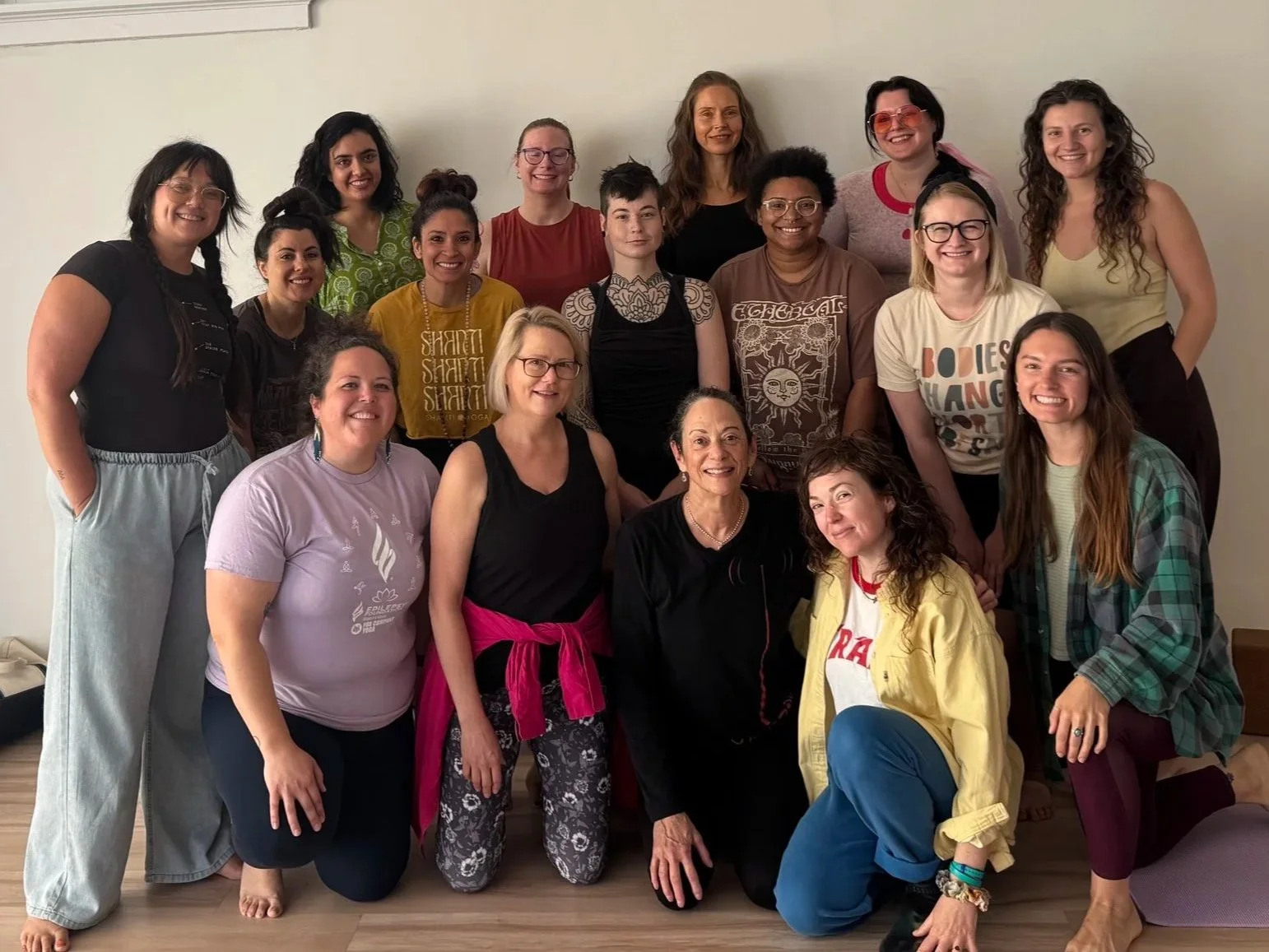
What You'll LearnExpert-Backed Content
Learn to recognize your body’s patterns, understand how you move and breathe, and develop a deeper relationship with the intelligence that lives within you.
Understand Your Body’s Intelligence
Develop the ability to notice familiar patterns, explore new possibilities, and bring greater intention to the way you move, respond, and engage with life.
Move Beyond Habit Into Awareness
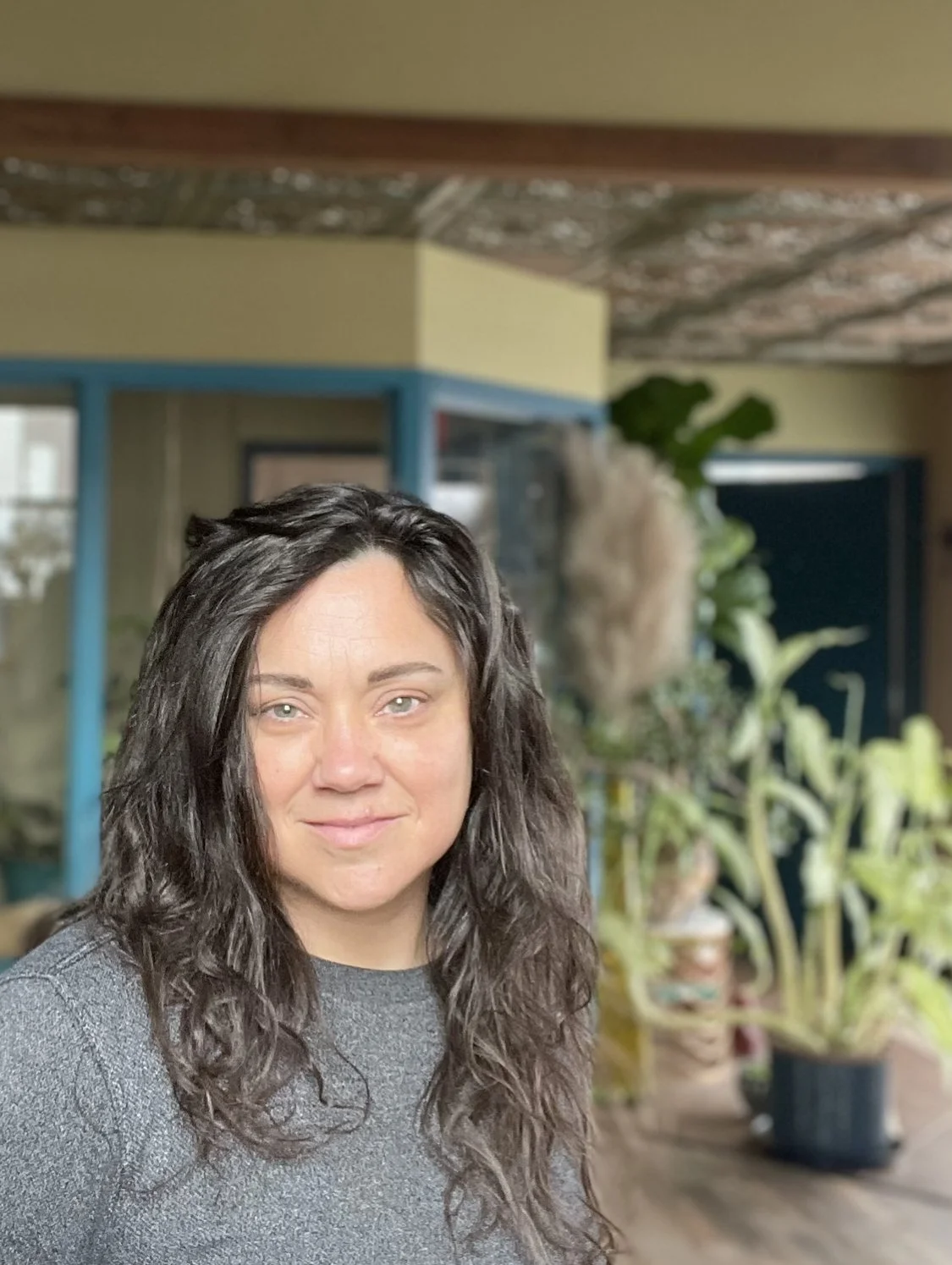
Kate Bee, Lead Mentor
Explore movement, breathwork, and meditation through accessible, thoughtfully designed online courses that support your individual needs, experience, and pace of learning.
Build a Practice That Meets You Where You Are
Move beyond simply understanding concepts to experiencing how they live within you. Through guided practice and self-inquiry, cultivate the confidence to integrate what you learn into your everyday life.
Turn Insight Into Wise Action
This course includes recordings directly from the Soma-Via 500 Hour. Bandha is the technique responsible for creating stability in the physical body, freeing the breath from impingements in the breath body and transmuting energy in the subtle body. Your course includes one hour long lecture and four 90 minute practices. In addition, you will receive access to a library of twenty-five 30 minute classes taught by Kate Bee for home practice.
This course includes recordings directly from the Soma-Via 500 Hour. Vinyasa Krama is the art of intelligent sequencing. Teacher and student alike benefit from a deep understanding of biomechanics and how to more in a functional, progressive way. Your course includes 2 hour long lectures and one practice. In addition, you will receive access to a library of twenty-five 30 minute classes taught by Kate Bee for home practice.

From in-depth courses to exclusive content, these resources are made to move with you—and move you forward.
All Courses include a library of twenty five 30 minute practices for home study taught by Kate Bee
Frequently Asked Questions
-
Somavia is a School. The offerings here are about helping people reconnect with their own bodies wisdom. I use different movement, breathing and meditation techniques as well as a little coaching to help you build practices that supposed your goals of being more comfortable in your own body, connected to your relationships and intumescent with your own inherent wisdom; aka Intuition.
-
“Soma” comes from the Greek word meaning “the living body as experienced from within.”
“Somatic” refers to practices that focus on internal sensation, body awareness, and movement from the inside out — rather than emphasis on external form or performance -
Somatic movement is mindful, intentional movement where you pay attention to how movement feels in your body — how your joints, muscles, breath, balance, and inner sensations respond — rather than how the movement looks or what the “end result” is.
It often involves slow, gentle motions, exploratory movement, aS these make it easier to hold your internal awareness on sensation. All movement however, can become somatic in practice by bringing your attention to it. -
Where traditional exercise or gym-based work often focuses on external performance — strength, speed, reps, appearance, or reaching a specific “pose” — somatic movement prioritizes internal experience, nervous-system awareness, tension release, and the quality of movement rather than quantity or external output.
It’s more about reconnecting with your body’s internal rhythms and habits, retraining how you move, and re-educating your nervous system for ease and awareness. -
Functional movement refers to movement that come from the patterns we used in development; rolling, crawling, walking. thise movements translate well into everyday life as they are based on how the human body was designed and developed. these are the movements that solve our every day problems— movements that support posture, alignment, daily tasks, mobility, balance, coordination, and overall ease of living. Within a somatic framework, functional movement is done with awareness and sensitivity to your body’s needs, not simply for aesthetic or performance goals.
-
Breathwork means consciously engaging with your breath — how you inhale, exhale, the rhythm, depth, and awareness of breathing. Somatic breathwork emphasizes using breath as a bridge between body and mind: combining conscious breathing with attention to internal sensations, emotional release, nervous-system regulation, and embodied presence.
somatic breathwork may prioritize specific breathing patterns for performance or energy shifts if that is needed Most of us however, begin with more grounding, listening to your body, and supporting healing or nervous-system balance. -
Meditation in somatic work often means cultivating mindful awareness of your body — sensations, breath, posture, internal rhythms — and using stillness or gentle movement to tune into what’s happening inside. It supports integration of mind, body, and nervous system, helping to calm stress, ease emotional tension, and deepen self-awareness.
-
Not at all. Because somatic work emphasizes internal awareness over flexibility or “perfect form,” it is inherently accessible to people of all shapes, abilities, and movement backgrounds. The approach meets you where you are, honoring your history, limitations, and current state. Many people begin without prior experience in yoga, movement, or meditation.
-
Yes — one of the strengths of somatic movement is supporting tension release, posture improvement, and retraining habitual movement or holding patterns.
It can also support nervous-system regulation, stress reduction, emotional awareness, and — for some — processing stored emotional or trauma-related tension. -
Yes. This work is designed for all bodies, regardless of fitness background. The emphasis is on functional movement (how your body really moves), gentle somatic healing, and honoring your body’s limits. There’s no requirement to be advanced.
-
Not at all. Many people come without prior experience. The practices are grounded, accessible, and meant to meet you where you are. We are all Beginners at some point; this works scales to meet any and all abilities,
-
Absolutely. The in depth training is a certified program that makes it possible for you to teach others under the umbrella of Yoga. However, its main goal is deep personal transformation. We use teaching as a way of cultivating deep understanding of complex principles as it requires you to know something so well that you could explain it to another. This is part of the method that ensures change.
-
A small ritual = a structured movement/breath/meditation session design to asses were your system is at and develop a simple practice for you to do on your own
Service Retreats - a week long, in depth, incubator for presence. With all your other responsibilities at bay, the retreat space allows you to truly embody the principles of these teachings while in relationship to others.
SomaVis 500HR = the in-depth program that uses teaching, not just practicing, as a tool for transformation as well as learning how to guide and support others — for those who wish to teach and for the that are looking to deepen their understanding of “why”
-
You might feel increased awareness, improved mobility, more ease in daily movement, less tension or tightness, and early glimpses of inner calm. Over time with consistent practice, many people experience deeper resilience, better emotional regulation, and stronger connection to self. Real transformation isn’t a quick fix — it’s a slow, ongoing journey.
-
Yes. The work is trauma-informed: movement, breath, and somatic practices are used gently and with respect for your boundaries. If something feels intense, you’ll be guided to slow down, and the practices emphasize safety, self-compassion, and inner listening.
-
Not at all. While the work draws on yogic philosophy and perennial wisdom traditions and offers depth for those seeking spiritual growth, I don’t tell you what to believe. This is about connecting more deeply to your own belief system.
-
That’s totally valid and common. The retreats are designed to be welcoming, grounded, and paced — far from hype or “transformation cult” energy. The aim is presence, connection, and gentle self-exploration (not instant overhaul).
-
Only as much as you feel comfortable. You are not required to share — this is your journey, at your own pace. The environment is meant to be respectful, inclusive, and trauma-informed, giving you the choice of how much to reveal.
-
Yes, and often especially for you. The functional movement + somatic approach is about meeting the body where it is, honoring limits, and carefully building strength, mobility, and awareness in a safe, intelligent way.
-
No — you don’t need fancy gear or background. A willingness to move, breathe, and notice is enough. Classes are designed to be accessible, and modifications are offered as needed.
-
No. The environment is meant to be non-judgmental, inclusive, and supportive. The focus is on your journey, your body, and your pace — not on competition or comparison.
-
Probably not — and that’s okay. These programs offer a container, a space, a moment, to rest, reflect, feel, and maybe shift something. Real change requires ongoing practice, time, and inner work.
-
If you feel some curiosity — even a little — about your body, breath, mind or inner life; if you want more ease, awareness, or peace; if you want to move more freely or breathe more deeply — that’s enough. You don’t have to have everything figured out. The only “requirement” is willingness.
-
I ask a few questions, I'll have you move a bit so I can see how the body is currently holding you, I'll observe your breath. And then we build a practice, together. something that really fits into your life with ease and excitement.
-
Yep! Just sign up! Small Rituals and retreats can be signed up for at any time. The teacher training start with a discovery call with me!
-
Potential benefits include improved body awareness and proprioception, increased mobility and flexibility, less chronic tension or pain, better posture and movement efficiency, reduced stress or anxiety, calmer nervous-system regulation, and deeper mind-body connection.
-
You don’t need to be spiritual or have prior experience. The practices are inclusive and meet people where they are — simply wanting more ease, awareness, balance or healing is enough. Somatic work is about listening to your body’s wisdom, not fitting a mold.
-
Yes — somatic movement and breathwork are often gentle, slow, and mindful. Because the emphasis is on internal sensation and respect for your boundaries, it tends to be well-suited for people healing from injuries, trauma, or chronic tension.
That said, you’ll always have choice and control: you’re invited to move at your own pace, tune into comfort and safety, and adjust to what your body needs. -
That’s normal. Somatic work typically works more slowly and subtly than external-goal-driven workouts. The shifts tend to be felt over time — in ease, awareness, posture, nervous-system regulation, and daily movement quality — rather than dramatic or immediate. Patience, curiosity, and consistency are often more important than “intensity.”
-
A somatic session may combine gentle movement (to explore how your body moves), breathwork (to tune into internal rhythms and nervous-system state), and meditation or mindful awareness (to listen inward, sense patterns, create space for healing). This integrated approach supports body-mind-nervous system alignment and helps build a sustainable, embodied practice — not just a workout, but a way of living
-
No. Somatic practices often use minimal to no equipment — just attention, breath, gentle movement, space to move or sit. Because the work is internal, props or fancy gear aren’t required. The key is presence, awareness, and openness.
-
Somatic movement emphasizes how movement feels internally, body-mind connection, nervous-system regulation, and internal awareness.
Somatic breath-work uses breath + sensation + awareness to support embodiment, emotional release, and nervous-system balance.
Meditation (in this context) invites stillness or gentle movement + internal awareness of body, breath, and mind — cultivating calm, self-awareness, and integration.
Traditional yoga does all of this an more. In modern times however, yoga has become more exercise than “yoga” and often emphasize external form, performance, strength, flexibility, or aesthetic goals. Somatic approaches shift focus from external to internal — sensation over performance.
-
You can start small: maybe with a short somatic movement session, a breath-awareness exercise, or a guided meditation focusing on body-awareness. The goal is to begin listening inward, noticing sensation, moving slowly, tuning in. From there, you can gradually explore deeper sessions, classes, or regular practice. Check out Small Rituals
-
It’s normal to feel skeptical, especially if you’re used to fitness or performance-based movement. Somatic work is different — it’s subtle, internal, and often slow. The “results” are often felt in ease, presence, relaxation, awareness, and how you inhabit your body. Give it time, approach with curiosity, and treat it as a process rather than a quick fix.
-
Yes. Because somatic practices engage the nervous system, sensation, breath, and internal awareness, they’re often used in trauma-informed therapeutic work, stress reduction, emotional regulation, and healing from chronic tension or trauma.
This doesn’t mean it’s a replacement for therapy — but it can be a meaningful companion practice for holistic healing.