SomaVia Training Faculty
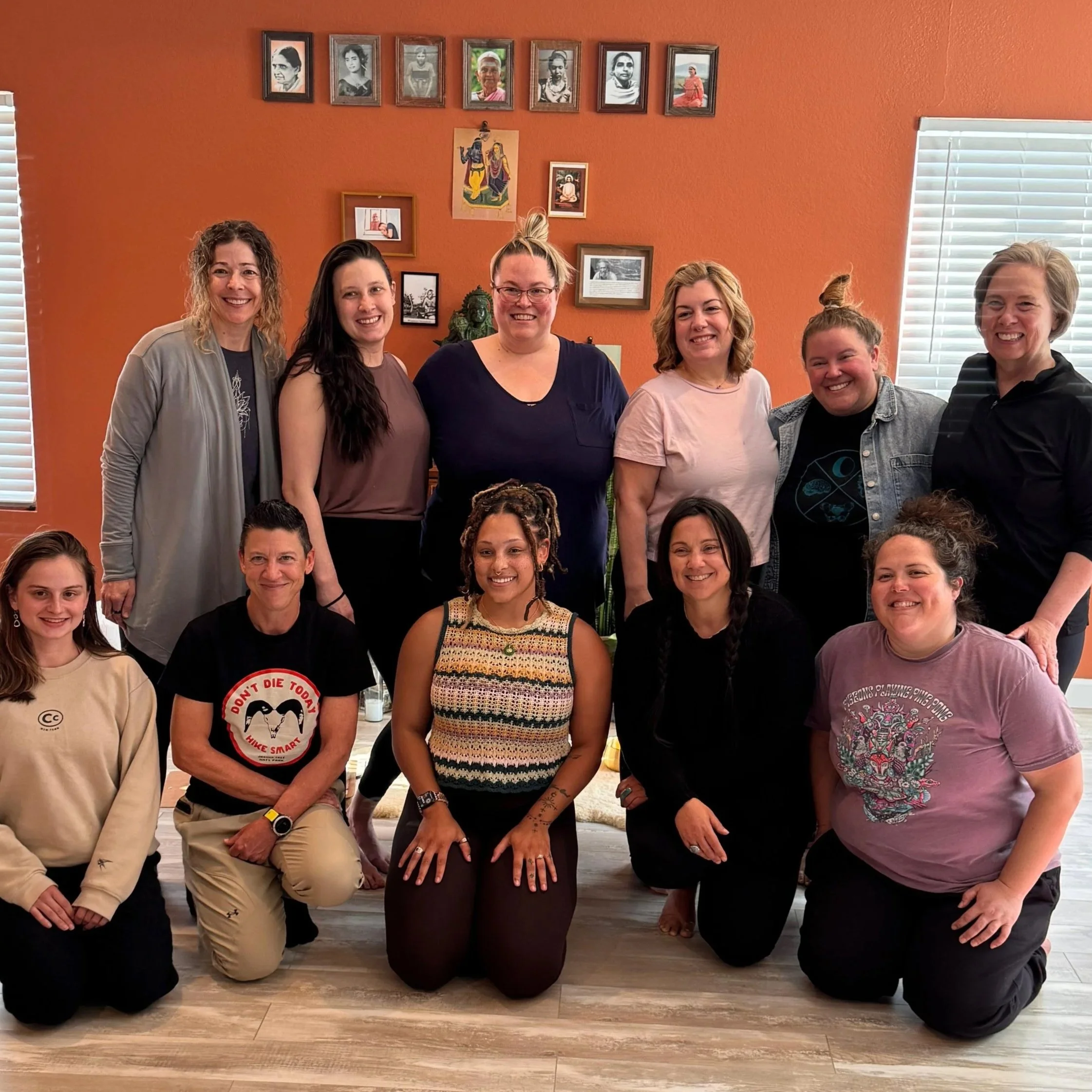
We bring different perspectives to the table, but we’re united by a love for purposeful work, thoughtful critique, and real connection.
Kate is an embodiment educator, movement therapist, retreat leader, speaker, and founder of SomaVia, an education company dedicated to helping people remember who they are beneath the noise of modern life.
For more than two decades, Kate has studied the intersection of movement, human performance, contemplative traditions, neuroscience, and the lived experience of being human. Her work integrates functional movement, breath science, meditation, philosophy, somatic education, and ancient wisdom into practical frameworks that help people cultivate resilience, clarity, integrity, and meaningful purpose.
While her roots are in yoga, Kate's work extends far beyond the studio. She believes that the body is not simply something we inhabit—it is the primary way we perceive, relate to, and participate in our lives. Through this lens, movement becomes education, self-awareness becomes a practice, and embodiment becomes the foundation for wise action.
Kate works with individuals, organizations, and communities through private mentorship, professional trainings, immersive retreats, and keynote presentations. She is known for translating complex ideas into deeply accessible experiences that challenge conventional wellness narratives while honoring both scientific understanding and timeless philosophical traditions.
As the founder of the SomaVia School and the lead educator of SomaVia's 500-hour professional training, Kate has trained teachers, coaches, healthcare professionals, and lifelong learners to think critically, move intelligently, and lead with integrity. Her educational philosophy emphasizes discernment over dogma, curiosity over certainty, and lived experience over performance.
Whether speaking to a room of executives, guiding a retreat in nature, mentoring a client through personal transformation, or teaching future educators, Kate invites people into the same essential question:
How do we become more fully human?
Her work is ultimately about helping people develop the capacity to live with greater awareness, stronger relationships, deeper purpose, and a profound trust in their own embodied wisdom.
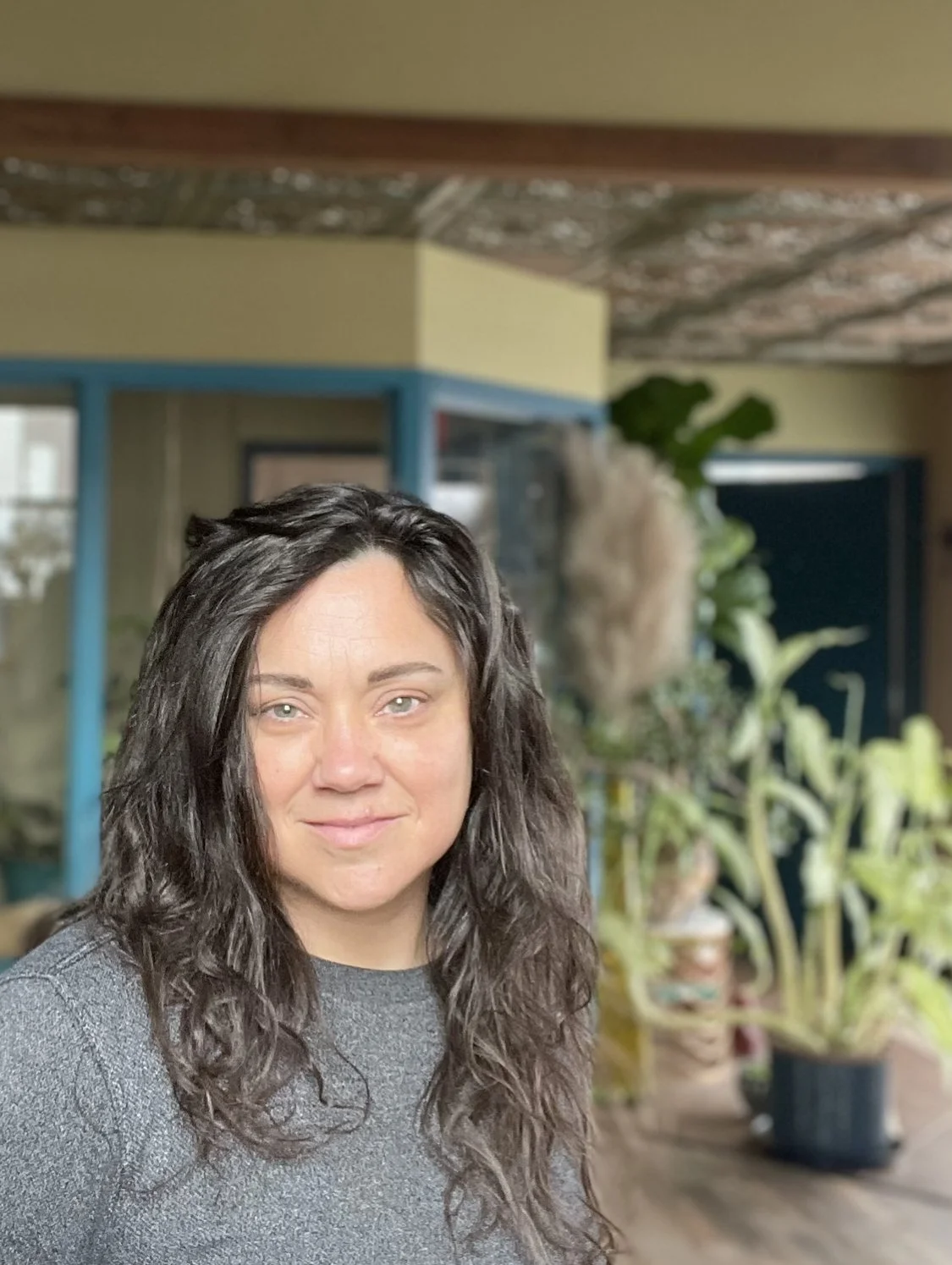
Kate Bee. MA, Yoga Therapist, E-RYT 500, AYC Level 3 Teacher
Lead Trainer/Mentor
Emily is a high school art teacher, coach, and lifelong learner who believes that growth happens when curiosity, movement, and community come together. She first discovered yoga while working at a local climbing gym and has continued to return to the practice for over a decade, finding in it a powerful tool for building strength, resilience, self-awareness, and connection.
Since completing her 200-hour Yoga Teacher Training in 2021 and continuing on to earn her RYT500 certification, Emily has remained committed to deepening both her personal practice and her understanding of yoga as a lifelong path of learning. Whether she's hiking through the woods, climbing rock faces, coaching students, or stepping onto her mat, she believes mindful movement has the power to transform the way we experience ourselves and the world around us.
As Somavia's Learning Integration Facilitator, Emily supports trainees in connecting classroom learning with lived experience. Through reflection, discussion, community-building, and ongoing support, she helps create an environment where students can process, integrate, and embody the teachings of yoga both on and off the mat.
Emily's approach is grounded, encouraging, and authentic. She believes there is beauty in imperfection and that yoga offers each of us an opportunity to explore, grow, and become more comfortable in our own skin. Her goal is to help students feel supported, challenged, and inspired as they develop their own unique path as practitioners and teachers.
And she’s the nicest person you know.
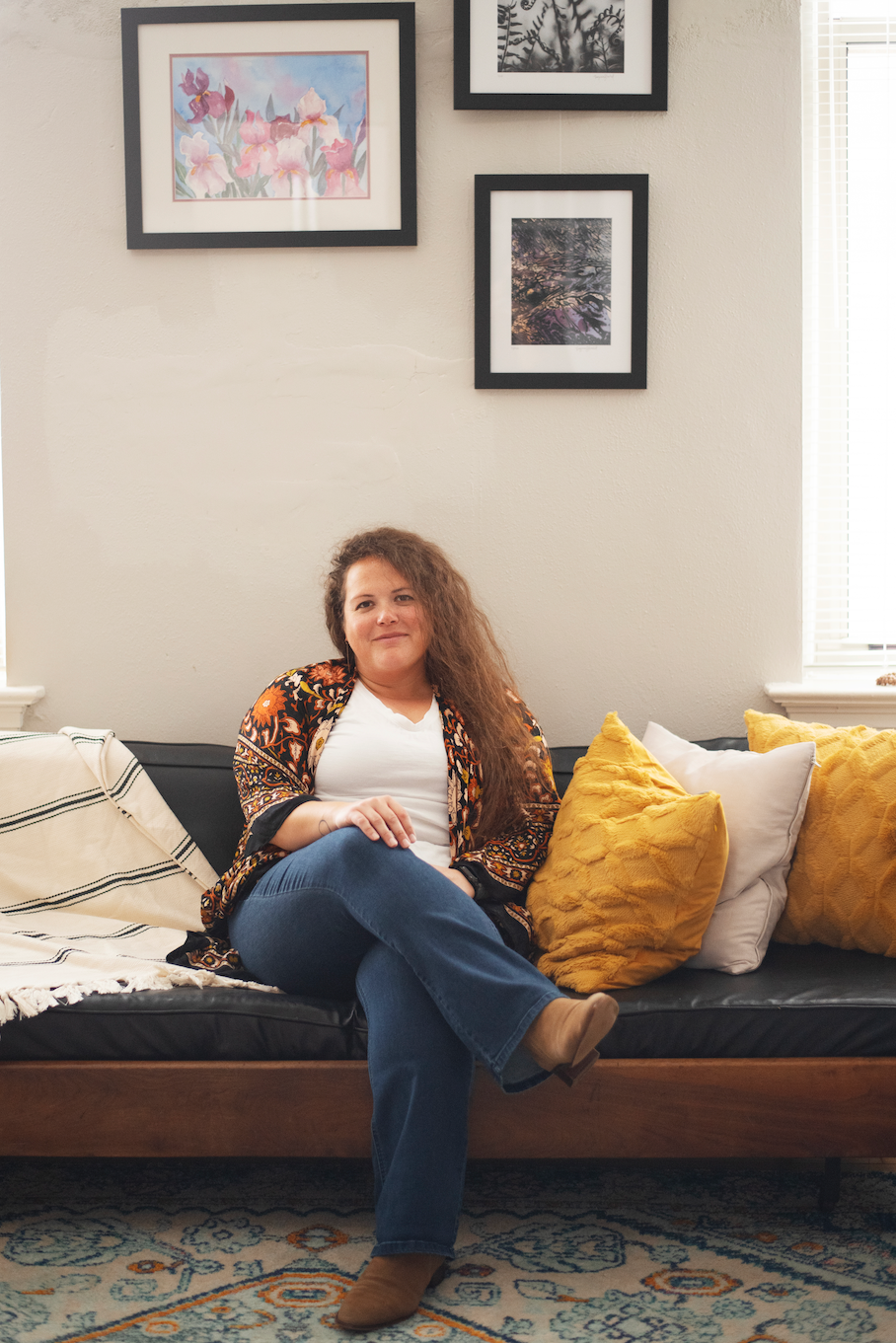
Emily Hogan, MA, RYT 200, E-RYT 500
Integration Coordinator/Mentor
Frequently Asked Questions
1. What exactly is Somavia?
Somavia is a School. The offerings here are about helping people reconnect with their own bodies wisdom. I use different movement, breathing and meditation techniques as well as a little coaching to help you build practices that supposed your goals of being more comfortable in your own body, connected to your relationships and intumescent with your own inherent wisdom; aka Intuition.
2. What does “soma” or “somatic” actually mean?
“Soma” comes from the Greek word meaning “the living body as experienced from within.”
“Somatic” refers to practices that focus on internal sensation, body awareness, and movement from the inside out — rather than emphasis on external form or performance
3. What is “somatic movement”?
Somatic movement is mindful, intentional movement where you pay attention to how movement feels in your body — how your joints, muscles, breath, balance, and inner sensations respond — rather than how the movement looks or what the “end result” is.
It often involves slow, gentle motions, exploratory movement, aS these make it easier to hold your internal awareness on sensation. All movement however, can become somatic in practice by bringing your attention to it.
4. How is somatic movement different from traditional exercise or gym work?
Where traditional exercise or gym-based work often focuses on external performance — strength, speed, reps, appearance, or reaching a specific “pose” — somatic movement prioritizes internal experience, nervous-system awareness, tension release, and the quality of movement rather than quantity or external output.
It’s more about reconnecting with your body’s internal rhythms and habits, retraining how you move, and re-educating your nervous system for ease and awareness.
5. What is “functional movement”?
Functional movement refers to movement that come from the patterns we used in development; rolling, crawling, walking. thise movements translate well into everyday life as they are based on how the human body was designed and developed. these are the movements that solve our every day problems— movements that support posture, alignment, daily tasks, mobility, balance, coordination, and overall ease of living. Within a somatic framework, functional movement is done with awareness and sensitivity to your body’s needs, not simply for aesthetic or performance goals.
6. What is “breathwork” and how does “somatic breathwork” differ from other breath practices?
Breathwork means consciously engaging with your breath — how you inhale, exhale, the rhythm, depth, and awareness of breathing. Somatic breathwork emphasizes using breath as a bridge between body and mind: combining conscious breathing with attention to internal sensations, emotional release, nervous-system regulation, and embodied presence.
somatic breathwork may prioritize specific breathing patterns for performance or energy shifts if that is needed Most of us however, begin with more grounding, listening to your body, and supporting healing or nervous-system balance.
7. How does meditation fit into somatic work?
Meditation in somatic work often means cultivating mindful awareness of your body — sensations, breath, posture, internal rhythms — and using stillness or gentle movement to tune into what’s happening inside. It supports integration of mind, body, and nervous system, helping to calm stress, ease emotional tension, and deepen self-awareness.
8. Who is somatic movement / somatic work for? Is it only for people already flexible or experienced?
Not at all. Because somatic work emphasizes internal awareness over flexibility or “perfect form,” it is inherently accessible to people of all shapes, abilities, and movement backgrounds. The approach meets you where you are, honoring your history, limitations, and current state. Many people begin without prior experience in yoga, movement, or meditation.
9. I’m not looking to “become a yoga teacher” — can I still do your in depth training?
Absolutely. The in depth training is a certified program that makes it possible for you to teach others under the umbrella of Yoga. However, its main goal is deep personal transformation. We use teaching as a way of cultivating deep understanding of complex principles as it requires you to know something so well that you could explain it to another. This is part of the method that ensures change.
10. Do I need to be spiritual or have a certain philosophy to do this work?
Not at all. While the work draws on yogic philosophy and perennial wisdom traditions and offers depth for those seeking spiritual growth, I don’t tell you what to believe. This is about connecting more deeply to your own belief system.
11. Will I be expected to “open up” or share personal things?
Only as much as you feel comfortable. You are not required to share — this is your journey, at your own pace. The environment is meant to be respectful, inclusive, and trauma-informed, giving you the choice of how much to reveal.
12. What if I have chronic pain, old injuries, or limitations — is this still for me?
Yes, and often especially for you. The functional movement + somatic approach is about meeting the body where it is, honoring limits, and carefully building strength, mobility, and awareness in a safe, intelligent way.
13. Do I need special equipment or prior training to start?
No — you don’t need fancy gear or background. A willingness to move, breathe, and notice is enough. Classes are designed to be accessible, and modifications are offered as needed.
14. Will I be judged or compared to others (body shape, ability, progress)?
No. The environment is meant to be non-judgmental, inclusive, and supportive. The focus is on your journey, your body, and your pace — not on competition or comparison.
15. How do I know if I’m “ready” to begin?
If you feel some curiosity — even a little — about your body, breath, mind or inner life; if you want more ease, awareness, or peace; if you want to move more freely or breathe more deeply — that’s enough. You don’t have to have everything figured out. The only “requirement” is willingness.
16. What’s the difference between “somatic movement,” “somatic breathwork,” “meditation,” and “traditional yoga or exercise”?
Somatic movement emphasizes how movement feels internally, body-mind connection, nervous-system regulation, and internal awareness.
Somatic breath-work uses breath + sensation + awareness to support embodiment, emotional release, and nervous-system balance.
Meditation (in this context) invites stillness or gentle movement + internal awareness of body, breath, and mind — cultivating calm, self-awareness, and integration.
Traditional yoga does all of this an more. In modern times however, yoga has become more exercise than “yoga” and often emphasize external form, performance, strength, flexibility, or aesthetic goals. Somatic approaches shift focus from external to internal — sensation over performance.